Persistent Pelvic Pain for Nurses

Available
Coming soon
Meets CPD requirements for nurses
Introduction
These experienced clinicians will lead you through what can be a chaotic presentation of persistent pelvic pain.  
EnrolRegister
course Overview
Educational
Activities
hours
Reviewing
Performance
hours
Measuring
Outcomes
hours
What you will get

Immediate access to video modules and downloadable resources

Case studies, tools, and handouts to use in practice

CPD certification upon completion

Mobile and tablet-friendly access

What you will Learn
  • Understand endometriosis as a disease and learn to recognise patterns of presentation
  • Use shared decision making to provide PPP holistic patient centred care
  • Empower patients to self-manage with education, clinical tools and flare planning
  • Confidently educate and support patients with pharmacological and non-pharmacological treatments
  • Understand and deliver pain science education
  • Connect the pieces for patients learning to manage a disease, and for clinicians within the team
  • Determine when to escalate care within the multi-disciplinary team
  • Pre and post-operative management
Course Outline
  • Use shared decision-making determine patient-led goals with a focus on function
  • Develop a strategy for responding to disclosures of interpersonal or sexual violence
  • Recognise the involvement of hormone resistance, inflammation and the immune system in endometriosis
  • Support a patient with education around a presumptive diagnosis of endometriosis
  • List the common drivers of persistent pelvic pain
  • Understand and use validation as an essential therapeutic tool
  • Recognise roles nurses can play in caring for patients with PPP
  • Support patients undergoing investigations with education and preparation
  • Recognise pelvic floor muscle dysfunction as a driver for pelvic pain
  • Support patients with pharmacological(both scripted and over the counter) and non-pharmacological management strategies
  • Understand how to practically apply pain science education concepts in persistent pelvic pain.
  • Summarise the role of eachmember of the multi-disciplinary team
  • Feel confident to match the roles of a multi-disciplinary team to patients’needs
  • Identify when to escalate care and have confidence with communicating issues to the care team
  • Collaborate with patients and GPs to produce a patient friendly whole self-care plan(which can be included in a GPCCMP)
  • Understand the importance of self-care when caring for patients with PPP
Clinical leads
Dr Emily Ware

FRACGP DRANZCOG (Adv) MBBS (Hons) BMEDSci Women's Health GP Specialist – TasWomen by TasOGs, O'Skin, Clinical Educator – University of Tasmania

Emily works in a multi-disciplinary team and specialises in persistent pelvic, vulvovaginal issues and perimenopause. She has worked internationally and in rural and remote communities. Emily enjoys sharing knowledge through writing clinical guidance and educating others to care for women holistically and inclusively.
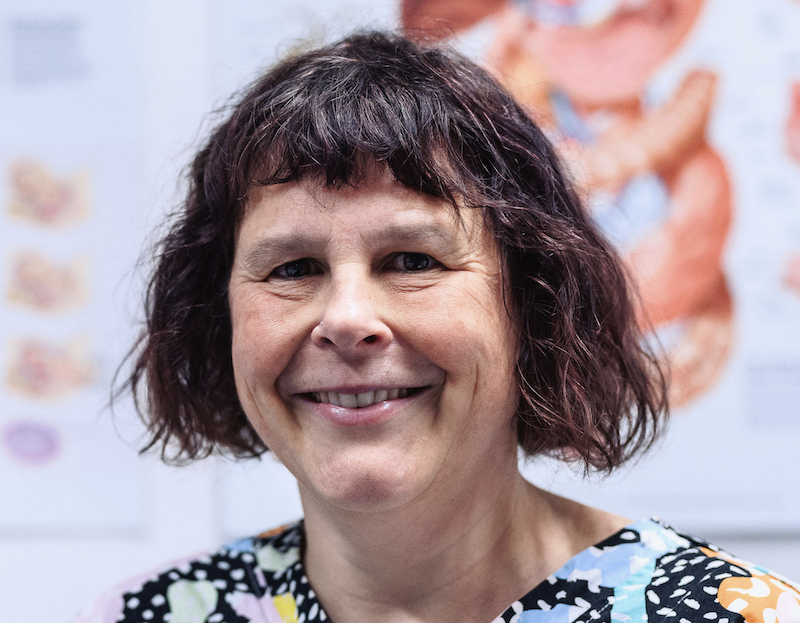
Rachel Andrew

APA Titled Continence and Women’s Health Physiotherapist BSc Physiotherapy, Clinical Masters of Women’s Health, Certificate Conservative Management of Prolapse

Rachel began her career in neurological rehabilitation before completing her clinical masters and further study in pelvic pain, endometriosis, bladder pain, prolapse, pain with sex and trauma-informed care. After 10 years as owner of Pelvic Physio, she is enjoying clinical practice in a multi-disciplinary clinic.

Nikki Campbell

RN Transitional Nurse Practitioner BHSc Nursing (Hons), Cert Reproductive & Sexual Health, Master's Advanced Nursing Practice (Nurse Practitioner) (in progress)

Nikki specialises in endometriosis, persistent pelvic pain and women’s health. She is a published researcher, educator and advocate for inclusive, evidence-based and nurse-led care. She is passionate about improving access to care for people with complex, overlapping conditions.

Contributors
Clinical Professor Louise Owen

MBBS(Hons) FRACGP FAChSHM. Sexual Health Physician, Director State-wide Sexual Health Service, Clinical Professor, School of Medicine, UTAS

Dr Corrie Studd

Gastroenterologist MBBS, DMedSci, FRACP

Dr Kirsten Connan

Obstetrician and Gynaecologist, Laparoscopic Surgeon (Adv) FRANZCOG BSc MBBS (Hons) DRANZCOG DDU (O&G) MClinEd (Hons)

Rachel Andrew

APA Titled Continence and Women’s Health Physiotherapist BSc Physiotherapy, Clinical Masters of Women’s Health, Certificate Conservative Management of Prolapse

Associate Professor Leesa Van Niekerk

Clinical Psychologist, Director of the University Psychology Clinics (UPC) located within the University of Tasmania

Dr Alison Deslandes

Specialist O & G Sonographer, PhD candidate, endometriosis researcher

Dr Amelia Mardon

Postdoctoral Research Fellow in Reproductive Health at Western Sydney University, completing her PhD in pelvic pain at the University of South Australia

Emma Wuestner

Accredited Practising Dietitian (APD), Certified Fertility Dietitian & Prenatal Dietitian, BNutrDiet

Angela Vincent

Clinical Hypnotherapist, Registered Nurse, Post Graduate Cert Oncology Nursing, Diploma Clinical Hypnotherapy, Mindfulness Practitioner Diploma, EFT Practitioner

what the clinicians say
Not the right time?

Get in touch so we can send you the latest course information.

Contact us
Other available courses

Persistent Pelvic Pain - Leadership in Care

For GPs, NPs or Physicians, looking to become confident in managing persistent pelvic pain with a whole person approach,  this evidence-based, clinician-led course equips you with practical skills to comprehensively lead a multidisciplinary care team for women, and those assigned female at birth (AFAB). Join Women’s Health Specialist GP, Dr Emily Ware, in this structured, case-driven learning, designed to enable you to confidently improve outcomes and lead better care for women living with persistent pelvic pain and endometriosis.

Learn more

Pelvic Organ Prolapse

Pelvic Organ Prolapse (POP) affects up to 50% of women and can significantly impact quality of life. This structured course led by APA Women’s Health Physiotherapist Rachel Andrew provides practical clinical tools to identify POP early, support patient self-management, and apply evidence-based treatment strategies – all while addressing the emotional and physical realities of this common condition.

Learn more

Perimenopause and Menopause

Build your knowledge and skills with this structured, evidence-based approach to managing perimenopause and menopause led by GP and women’s health specialist Dr Natasha Vavrek, supported by a multidisciplinary team including a psychiatrist, psychologist, sex therapist and urogynaecologist.

Learn more